Top Tips for Successful Radio Am Broadcasting
Radio amateur broadcasting, often referred to as ham radio, is a fascinating hobby that connects people across the globe. Whether you're a seasoned operator or just starting, there are essential tips that can enhance your broadcasting experience. This guide will provide you with practical advice to ensure your radio amateur broadcasting is not only successful but also enjoyable.

Understanding the Basics of Radio Am Broadcasting
Before diving into the tips, it's crucial to understand the fundamentals of radio amateur broadcasting. This involves using designated radio frequencies to communicate with other amateur radio operators. Here are some key points to consider:
Licensing: To operate a ham radio, you need to obtain a license from your country's telecommunications authority. This ensures you understand the rules and regulations governing amateur radio use.
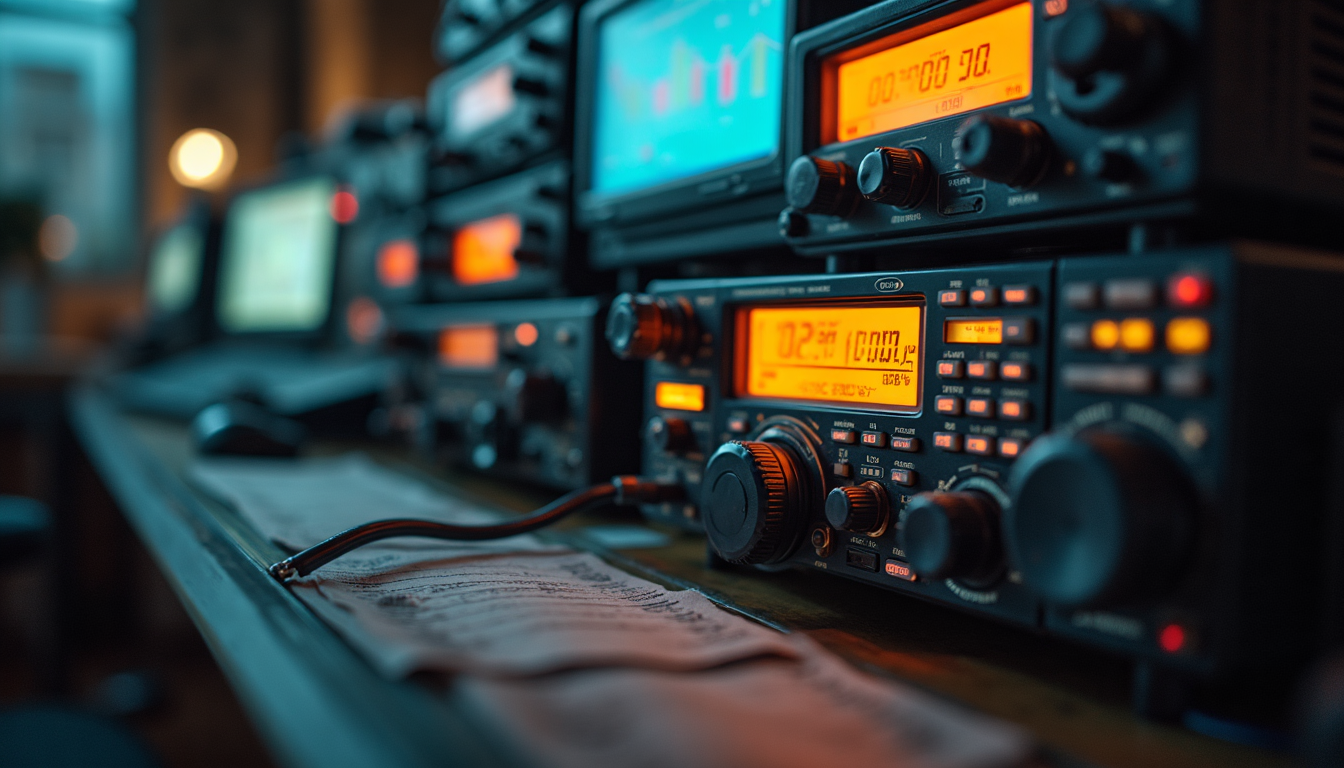
Equipment: Familiarize yourself with the essential equipment, including transceivers, antennas, and power supplies. Investing in quality gear can significantly improve your broadcasting experience.
Frequency Bands: Different frequency bands are allocated for amateur use. Understanding these bands and their characteristics will help you choose the right one for your broadcasts.
Choosing the Right Equipment
Selecting the right equipment is vital for successful broadcasting. Here are some tips to help you make informed decisions:
Transceivers
Your transceiver is the heart of your ham radio setup. When choosing one, consider the following:
Power Output: Higher power output can improve your signal range, but it also requires more power and can lead to interference. A transceiver with 100 watts is often sufficient for most operators.
Features: Look for features like digital signal processing (DSP), automatic gain control (AGC), and built-in sound cards for digital modes.
Antennas
The antenna is crucial for effective communication. Here are some options:
Dipole Antennas: These are simple to construct and can be effective for various frequencies.
Vertical Antennas: These are compact and can be installed in limited spaces, making them ideal for urban environments.
Accessories
Don't overlook the importance of accessories:
Microphones: A good quality microphone can enhance audio clarity.
Headphones: Invest in comfortable headphones to help you hear weak signals clearly.
Setting Up Your Station
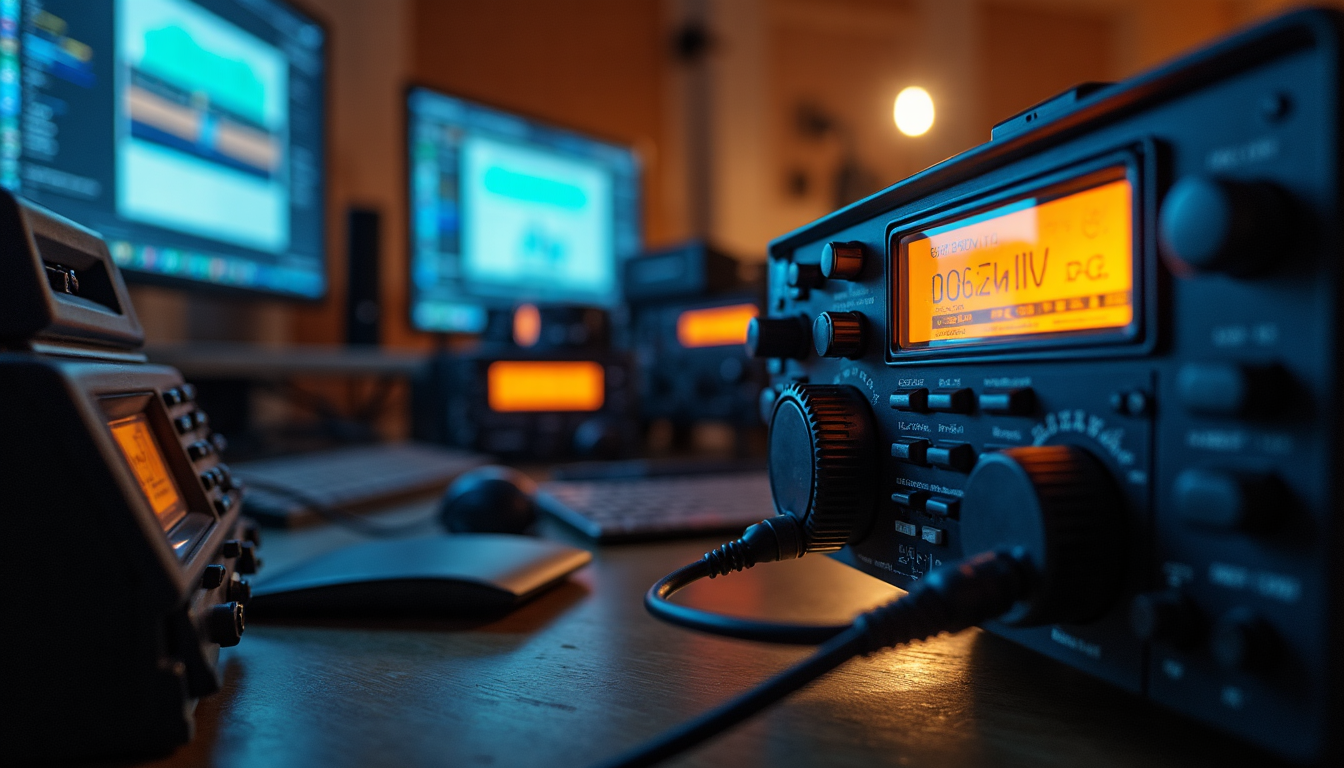
Once you have your equipment, it's time to set up your station. Here are some tips for an effective setup:
Location
Choose a location that minimizes interference. Ideally, your station should be away from electronic devices that can cause noise, such as computers and fluorescent lights.
Layout
Organize your equipment for easy access. Keep your transceiver, microphone, and accessories within reach to streamline your broadcasting process.
Grounding
Proper grounding is essential for safety and performance. Ensure your station is grounded to prevent electrical shocks and reduce noise.
Operating Techniques
Effective operating techniques can make a significant difference in your broadcasting success. Here are some strategies to consider:
Clear Communication
When broadcasting, clarity is key. Use a clear and concise voice, and avoid jargon that may confuse listeners. Here are some tips:
Speak Slowly: This allows others to understand you better, especially if they are not fluent in your language.
Use Phonetics: When spelling out words or call signs, use phonetic alphabet (e.g., Alpha, Bravo, Charlie) to avoid misunderstandings.
Logging Contacts
Keeping a log of your contacts is essential for tracking your progress and fulfilling licensing requirements. Use a logbook or digital logging software to record:
Date and Time: Note when the contact occurred.
Call Sign: Record the call sign of the operator you contacted.
Frequency: Write down the frequency used for the contact.
Experiment with Modes
Explore different modes of communication, such as:
SSB (Single Sideband): Common for voice communication.
CW (Continuous Wave): A mode that uses Morse code, which can be effective over long distances.
Digital Modes: Consider using digital modes like FT8 or PSK31 for efficient communication.
Engaging with the Community
One of the most rewarding aspects of amateur radio is the community. Here are ways to engage and enhance your experience:
Join Local Clubs
Participating in local amateur radio clubs can provide valuable resources and networking opportunities. Clubs often host events, training sessions, and contests that can improve your skills.
Participate in Contests
Contests are a fun way to challenge yourself and connect with other operators. They often have specific rules and categories, making them exciting and competitive.
Online Forums and Social Media
Engage with the broader ham radio community through online forums and social media groups. These platforms can be excellent for sharing experiences, asking questions, and learning from others.
Troubleshooting Common Issues
Even experienced operators encounter challenges. Here are some common issues and how to troubleshoot them:
Poor Signal Quality
If you're experiencing poor signal quality, consider the following:
Check Your Antenna: Ensure your antenna is properly installed and tuned for the frequency you're using.
Inspect Connections: Loose or corroded connections can lead to signal loss. Regularly check and maintain your equipment.
Interference
Interference can disrupt your broadcasts. To minimize it:
Identify Sources: Determine if nearby electronics are causing interference and relocate your station if necessary.
Use Filters: Consider using RF filters to reduce unwanted noise.
Continuing Education
The world of amateur radio is constantly evolving. Stay informed and improve your skills by:
Taking Courses: Many organizations offer courses on various aspects of amateur radio, from basic operation to advanced techniques.
Reading Books and Articles: There are numerous resources available that cover a wide range of topics related to ham radio.
Conclusion
Successful radio amateur broadcasting requires a combination of the right equipment, effective techniques, and community engagement. By following these tips, you can enhance your broadcasting experience and connect with fellow enthusiasts around the world. Remember, the journey of learning and improving never ends, so stay curious and keep exploring the fascinating world of ham radio.
As you embark on your broadcasting journey, consider joining a local club or participating in contests to further enrich your experience. Happy broadcasting!
Comments