Exploring the Future of Amateur Radio Technology
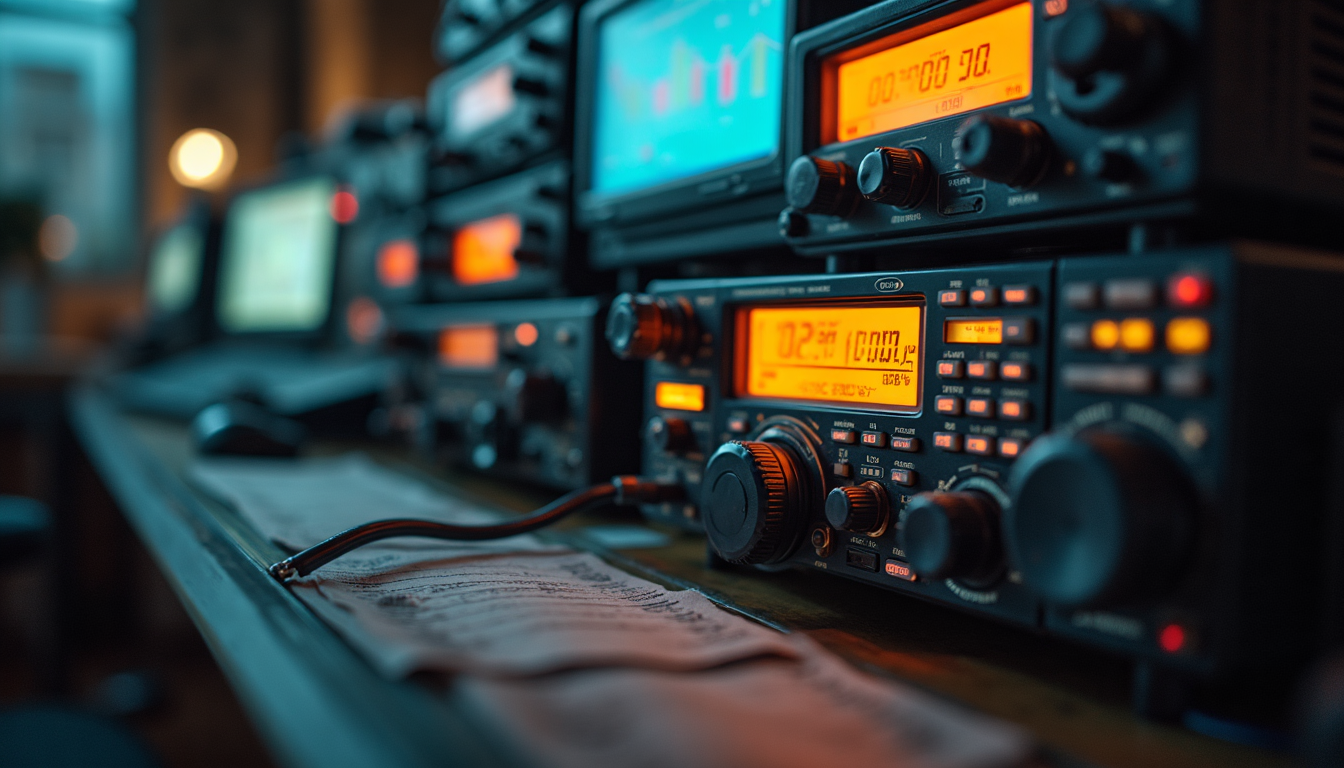
Amateur radio, often referred to as "ham radio," has long been a hobby for enthusiasts who enjoy communicating across vast distances without the need for the internet or cellular networks. As technology continues to evolve, so does the landscape of amateur radio. This blog post will explore the future of amateur radio technology, examining emerging trends, innovations, and how they will shape the hobby for both new and seasoned operators.

The Evolution of Amateur Radio
Amateur radio has a rich history that dates back to the early 20th century. Initially, it was a means for hobbyists to experiment with radio waves and communication. Over the decades, the technology has evolved significantly, transitioning from simple crystal sets to complex digital systems.
Key Milestones in Amateur Radio History
1900s: The birth of amateur radio with early experiments in wireless communication.
1920s: The establishment of the first amateur radio licenses and regulations.
1950s: Introduction of single sideband (SSB) technology, enhancing voice communication.
1980s: The advent of packet radio, allowing data transmission over radio waves.
2000s: Digital modes like PSK31 and FT8 gain popularity, enabling efficient communication.
These milestones have paved the way for the current state of amateur radio, which is on the brink of another transformation.
Current Trends in Amateur Radio Technology
As we look to the future, several trends are shaping the direction of amateur radio technology. Understanding these trends can help enthusiasts prepare for the changes ahead.
1. Digital Modes and Software-Defined Radio (SDR)
Digital modes have revolutionized how amateur radio operators communicate. Software-defined radio (SDR) technology allows users to manipulate radio signals using software rather than hardware. This flexibility enables operators to experiment with various modes and frequencies without needing extensive physical equipment.
Benefits of SDR:
Versatility: Operators can switch between different modes (e.g., SSB, CW, digital) with ease.
Cost-Effective: Reduces the need for multiple pieces of hardware.
Enhanced Performance: Offers improved signal processing capabilities.
2. Integration with Internet Technologies
The integration of amateur radio with internet technologies is another significant trend. This convergence allows operators to connect their radios to the internet, enabling global communication and remote operation.
Examples of Internet Integration:
EchoLink: A system that connects amateur radio operators via the internet, allowing them to communicate as if they were on the same frequency.
D-STAR: A digital voice and data protocol that uses the internet to extend communication range.
3. Increased Focus on Emergency Communication
Amateur radio has always played a crucial role in emergency communication. As natural disasters and emergencies become more frequent, the demand for reliable communication systems grows.
Future Developments:
Training Programs: More organizations are offering training for amateur radio operators to prepare for emergency situations.
Collaboration with Agencies: Partnerships with local governments and emergency services to enhance response capabilities.
4. Enhanced Mobile and Portable Operations
The rise of portable and mobile operations is making amateur radio more accessible. With advancements in battery technology and compact equipment, operators can set up stations in remote locations.
Key Features:
Lightweight Equipment: Modern radios are designed to be portable and easy to transport.
Solar Power Options: Many operators are utilizing solar panels to power their stations in the field.
The Role of Artificial Intelligence in Amateur Radio
Artificial intelligence (AI) is making its way into various fields, and amateur radio is no exception. AI can enhance communication efficiency and improve the user experience.
Potential Applications of AI in Amateur Radio
Signal Processing: AI algorithms can help filter out noise and improve signal clarity.
Automated Logging: AI can assist operators in logging contacts automatically, reducing manual entry errors.
Predictive Analytics: AI can analyze propagation conditions and suggest optimal frequencies for communication.
The Future of Licensing and Regulations
As technology evolves, so do the regulations governing amateur radio. The future may see changes in licensing requirements and operational guidelines.
Possible Changes in Licensing
Simplified Licensing: Efforts to streamline the licensing process to attract new operators.
Increased Focus on Digital Skills: Future exams may place greater emphasis on digital communication technologies.
Community and Collaboration
The amateur radio community is known for its collaborative spirit. As technology advances, this sense of community will remain vital for sharing knowledge and resources.
Building Stronger Connections
Online Forums and Groups: Platforms like Reddit and Facebook groups are becoming popular for sharing tips and experiences.
Local Clubs: Engaging with local amateur radio clubs can provide support and foster collaboration among operators.
Conclusion
The future of amateur radio technology is bright, with exciting advancements on the horizon. From digital modes and software-defined radio to the integration of AI and internet technologies, the landscape is evolving rapidly. As operators, it is essential to stay informed and adapt to these changes to fully embrace the potential of amateur radio.
By actively participating in the community and exploring new technologies, both new and seasoned operators can ensure that amateur radio remains a vibrant and relevant hobby for years to come. Whether you're a casual operator or a dedicated enthusiast, the future of amateur radio holds endless possibilities.
Comments