Essential Gear Every Radio Amateur Should Own
Radio amateurs, or ham radio operators, are part of a vibrant community that thrives on communication, experimentation, and connection. Whether you're a seasoned operator or just starting out, having the right gear is crucial for effective operation and enjoyment of the hobby. In this post, we will explore the essential equipment every radio amateur should own, ensuring you have everything you need to make the most of your radio experience.

Understanding the Basics of Ham Radio
Before diving into the gear, it's important to understand what ham radio is and why it's such a rewarding hobby. Ham radio allows individuals to communicate over various distances without the need for the internet or cellular networks. This can be particularly useful during emergencies when traditional communication methods fail.
The Appeal of Ham Radio
Community: Join a global network of enthusiasts who share your passion.
Learning: Gain knowledge about electronics, radio waves, and communication technology.
Emergency Preparedness: Be equipped to assist in emergencies and disasters.
Experimentation: Explore different frequencies, modes, and technologies.
Essential Gear for Every Radio Amateur
1. Transceiver
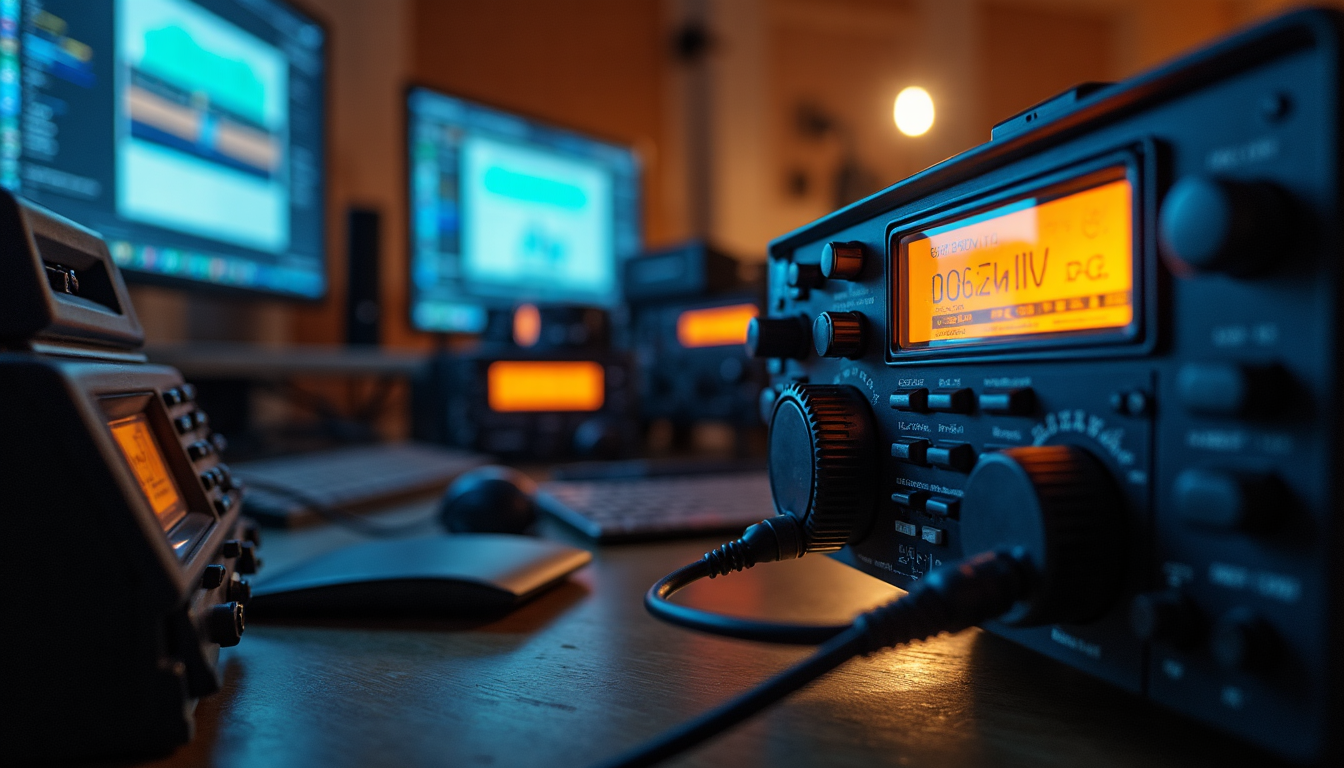
The heart of any ham radio setup is the transceiver. This device combines both a transmitter and a receiver, allowing you to send and receive signals. When choosing a transceiver, consider the following:
Frequency Range: Ensure it covers the bands you are interested in (HF, VHF, UHF).
Power Output: Look for a model that suits your needs, typically ranging from 5 to 100 watts.
Features: Modern transceivers come with various features like digital modes, built-in sound cards, and advanced filtering.
2. Antenna
An effective antenna is crucial for good communication. The type of antenna you choose will depend on your operating preferences and space availability. Here are some common options:
Dipole Antenna: Simple to build and effective for HF bands.
Vertical Antenna: Great for limited space and offers omnidirectional coverage.
Yagi Antenna: Directional and ideal for long-distance communication.
3. Power Supply
A reliable power supply is essential for your transceiver. Look for a power supply that can deliver clean, stable voltage. Consider these factors:
Voltage Rating: Most transceivers operate at 12V, but check your specific model.
Current Rating: Ensure it can handle the maximum current draw of your transceiver.
4. Microphone
While many transceivers come with built-in microphones, investing in a quality external microphone can significantly improve your audio quality. Look for features like:
Noise Cancellation: Reduces background noise for clearer communication.
Adjustable Gain: Allows you to control the audio level.
5. Headphones
Good headphones can enhance your listening experience, especially in noisy environments. Consider headphones with:
Closed-Back Design: Helps to block out external noise.
Comfortable Fit: Essential for long operating sessions.
6. SWR Meter
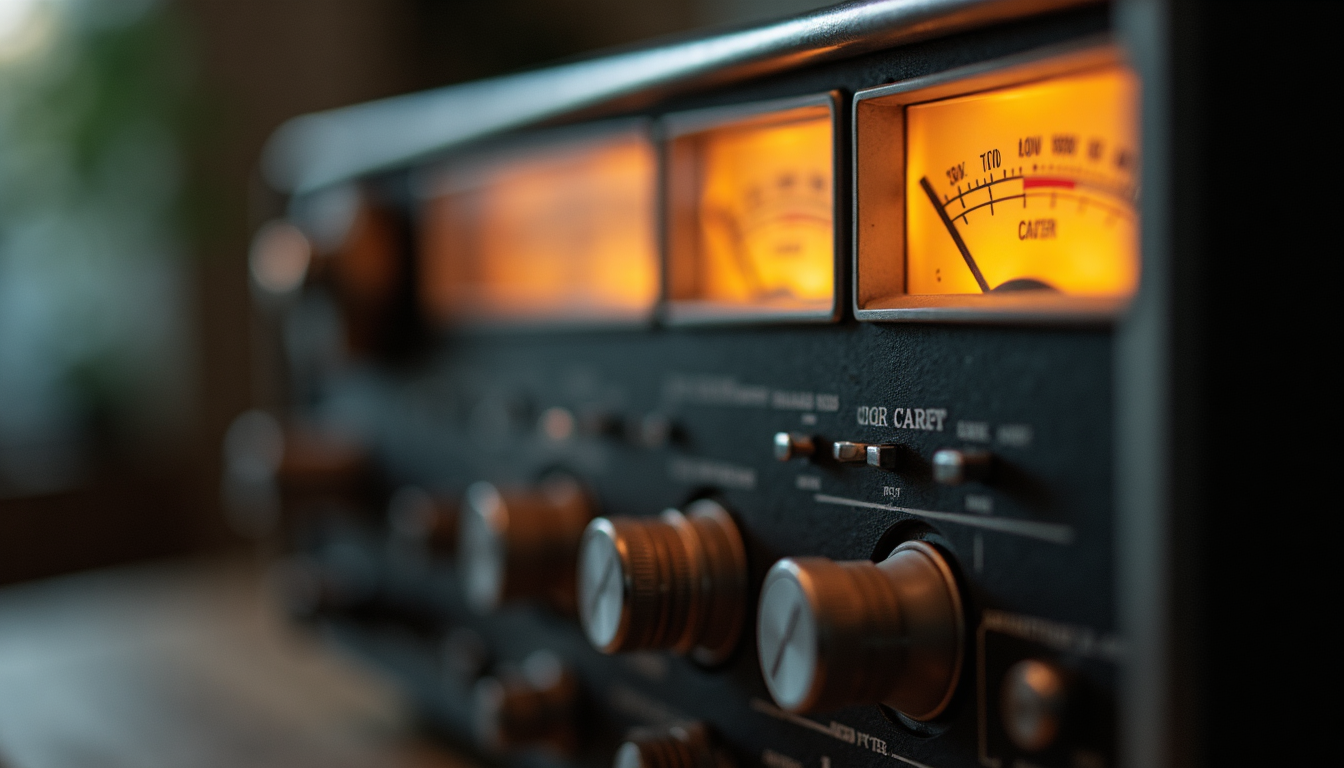
An SWR (Standing Wave Ratio) meter is a vital tool for ensuring your antenna system is properly matched to your transceiver. This device helps you avoid damage to your equipment by measuring the efficiency of your antenna.
7. Coaxial Cable
Quality coaxial cable is necessary to connect your transceiver to your antenna. Look for:
Low Loss: Minimizes signal loss over distance.
Appropriate Length: Ensure it’s long enough to reach your antenna without excess slack.
8. Dummy Load
A dummy load is a resistor that simulates an antenna, allowing you to test your transmitter without broadcasting a signal. This is particularly useful for troubleshooting and tuning your equipment.
9. Software
Many modern ham radio operators use software to enhance their experience. Consider these types:
Logging Software: Helps you keep track of contacts and manage your logbook.
Digital Mode Software: Allows you to communicate using modes like FT8 or PSK31.
10. Accessories
Don’t overlook the smaller accessories that can enhance your setup:
Cable Management: Keep your workspace organized with cable ties and clips.
Station Accessories: Items like a desk microphone stand or a headset holder can improve your operating environment.
Setting Up Your Station
Once you have your gear, it’s time to set up your station. Here are some tips to create an effective ham radio environment:
Location
Choose a location that minimizes interference from electronic devices. Ideally, set up your station in a quiet area away from computers and appliances.
Ergonomics
Arrange your equipment for comfort and accessibility. Ensure your transceiver, microphone, and headphones are within easy reach.
Grounding
Proper grounding is essential for safety and performance. Make sure your station is grounded to prevent electrical issues and improve signal quality.
Maintenance and Care
To ensure your equipment lasts and performs well, regular maintenance is key. Here are some tips:
Clean Equipment: Dust and dirt can affect performance. Regularly clean your gear.
Check Connections: Inspect cables and connectors for wear and tear.
Update Software: Keep your software up to date for optimal performance.
Joining the Community
One of the best aspects of being a radio amateur is the community. Here are ways to get involved:
Local Clubs: Join a local ham radio club to meet fellow operators and participate in events.
Online Forums: Engage with online communities to share experiences and ask questions.
Contests and Events: Participate in contests to test your skills and connect with others.
Conclusion
Equipping yourself with the right gear is essential for a fulfilling ham radio experience. From a reliable transceiver to quality antennas and accessories, each piece of equipment plays a vital role in your communication capabilities. As you build your station, remember to engage with the community and continuously learn. The world of ham radio is vast and rewarding, offering endless opportunities for exploration and connection. So, gather your gear, set up your station, and start making those connections today!
Comments